
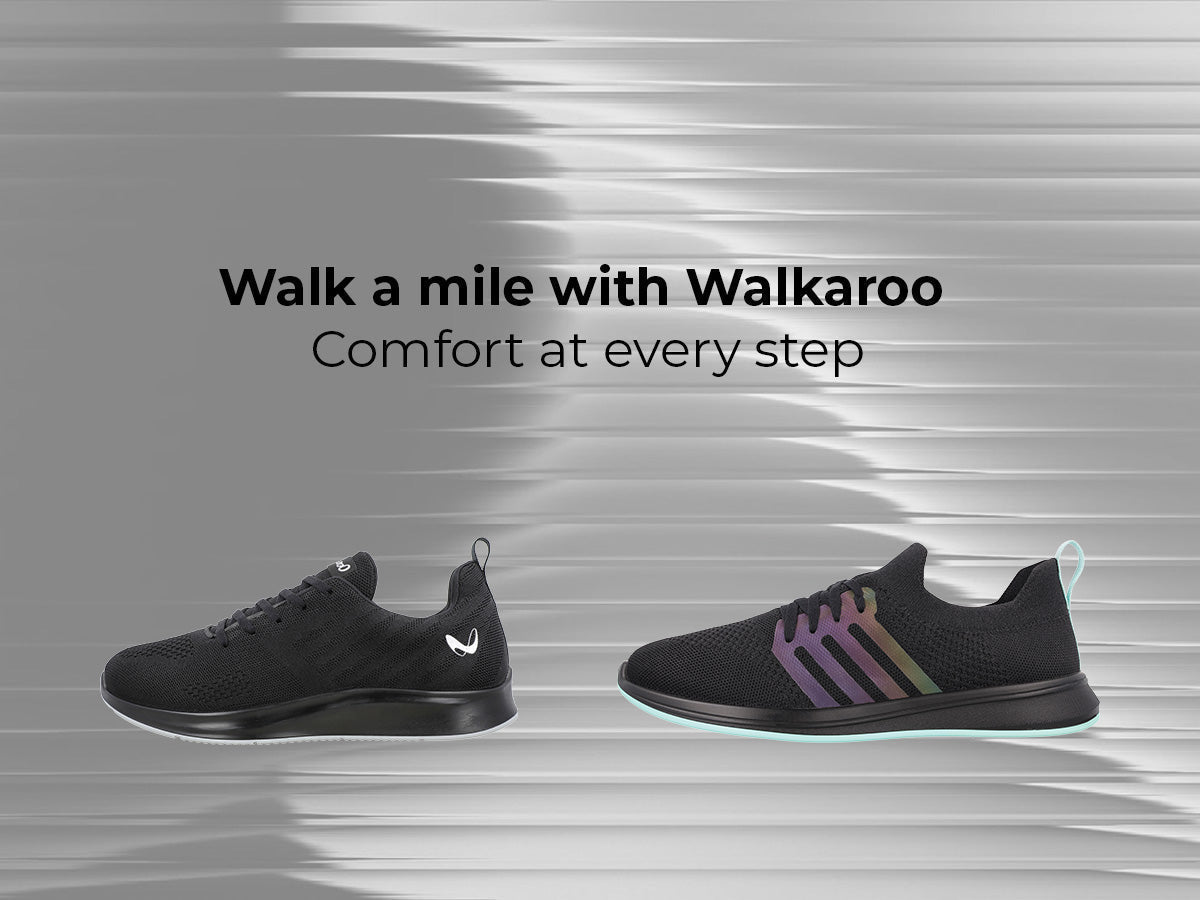
The right pair of shoes should do more than complement your outfit. It should feel comfortable, support your everyday movement and suit the activity you're doing. Whether you're walking to work, exercising at the gym, travelling or spending long hours on your feet, choosing the right footwear can make every step more comfortable.
So, what makes a shoe comfortable?
A comfortable shoe should offer the right combination of fit, cushioning, support, flexibility, breathability, stability and grip . It should also give your toes enough room to move naturally without feeling loose around the heel or squeezing your foot.
The best comfortable shoes aren't necessarily the softest or most heavily cushioned. They're the ones that match your foot, your routine and the activity you need them for .
Here's what to check before choosing your next pair of shoes.
What Makes a Shoe Comfortable?
Comfort depends on several factors rather than a single feature. When choosing footwear, consider the shoe's fit, toe-box space, cushioning, sole, support, material, breathability and flexibility.
A good pair should feel secure without being restrictive and should provide the features you need for your specific activity.
Quick checklist for comfortable shoes
- Proper length and width
- Enough room for your toes
- Comfortable cushioning
- Suitable sole flexibility and stability
- Adequate grip
- Breathable upper material
- Appropriate foot support
- Lightweight construction
- Secure and adjustable fit
8 Features to Look for in Comfortable Shoes
1. Choose the Right Fit
Fit is one of the most important factors when buying comfortable shoes. Even a well-designed shoe may not feel comfortable if it is too tight, too loose, too narrow or too short.
A properly fitting shoe should hold your foot securely without creating uncomfortable pressure.
When trying on shoes:
- Check that your toes aren't touching the front.
- Make sure your heel stays reasonably secure while walking.
- Ensure the shoe isn't squeezing the sides of your foot.
- Walk around before making your decision.
- Try shoes with the type of socks you normally wear.
- Check both feet, as one foot can be slightly larger than the other.
Tip: Your shoes should feel comfortable when you first try them. Don't rely on the expectation that a very tight pair will become comfortable later.
2. Check the Toe Box
The toe box is the front part of the shoe where your toes sit. It should provide enough space for your toes to move naturally without unnecessary pressure.
A cramped toe box can make walking uncomfortable, particularly when footwear is worn for extended periods.
When checking the toe box, make sure:
- Your toes aren't pressed against the front.
- Your toes aren't squeezed together.
- The shoe doesn't create pressure around the sides.
- You can move your toes comfortably.
How much toe room should comfortable shoes have?
Comfortable shoes should leave enough room for your toes to move naturally without touching or pressing against the front of the shoe.
3. Look for Comfortable Cushioning
Cushioning can improve underfoot comfort while walking, exercising or spending extended periods on your feet.
A cushioned insole or midsole can provide a softer feel underfoot. However, more cushioning isn't automatically better. The right level depends on the shoe's purpose and your personal comfort preference.
For everyday walking, look for a balance of:
Cushioning + stability + flexibility + grip
If you're choosing sports footwear, consider cushioning alongside the demands of your activity rather than choosing a shoe based only on how soft it feels.
4. Choose the Right Sole and Grip
The sole influences how your shoes feel while walking and how well they interact with different surfaces.
A comfortable shoe should provide an appropriate balance between flexibility, stability and traction.
Consider where you will wear the shoes:
- Walking: Look for comfortable cushioning, flexibility and reliable grip.
- Gym workouts: Stability and traction can be important, especially during movements that involve changing direction.
- Everyday wear: Prioritize a comfortable, durable sole that works well across common surfaces.
- Outdoor activities: Look for footwear designed specifically for the terrain and conditions.
Don't choose a shoe simply because it has a thick sole. The overall construction, flexibility, cushioning and grip are equally important.
5. Consider Foot Support
Feet differ in shape, size and arch characteristics, so the same shoe may not feel equally comfortable to everyone.
When trying on footwear, pay attention to how the shoe supports your foot. Look for a design that feels secure without creating pressure points.
Depending on your needs, you may prefer footwear with:
- Supportive insoles
- A stable sole
- Comfortable cushioning
- A secure heel fit
- A well-structured upper
If you experience persistent foot pain or have a specific foot condition, consider getting advice from a qualified healthcare professional when choosing footwear.
6. Choose Breathable Materials
Your feet can become warm and uncomfortable when you're walking, exercising or wearing shoes for several hours.
Breathable materials can encourage airflow around your feet and contribute to a more comfortable wearing experience.
For active footwear, look for features such as mesh or other breathable upper materials .
Breathability can be especially useful when choosing shoes for:
- Walking
- Running
- Gym workouts
- Travel
- Daily commuting
- Long hours of wear
7. Look for Lightweight and Flexible Construction
Heavy or overly rigid footwear can feel cumbersome during everyday movement.
Lightweight footwear can be a practical choice for walking, commuting, travelling and active lifestyles. Flexibility can also allow the shoe to move more naturally with your foot.
However, flexibility shouldn't come at the expense of stability. The ideal balance depends on the purpose of the shoe.
For walking: Look for a comfortable combination of lightweight construction, cushioning and flexibility.
For gym workouts: Prioritize a secure fit and appropriate stability alongside flexibility.
For everyday wear: Choose a lightweight design that feels comfortable throughout your routine.
8. Consider Adjustability
A secure fit can make a significant difference to everyday comfort.
Laces, straps and other closure systems allow you to adjust how securely the shoe sits on your foot.
When choosing adjustable footwear, look for a fit that:
- Keeps the heel secure
- Holds the midfoot comfortably
- Doesn't squeeze your toes
- Feels stable while walking
- Can be adjusted when needed
The goal is simple: your shoe should feel secure without feeling restrictive.
How to Choose Comfortable Shoes for Different Activities
Not every comfortable shoe is designed for every activity. Your footwear requirements can change depending on how and where you use it.
Best Shoes for Walking

If you're looking for shoes for daily walking, commuting or regular outdoor movement, prioritize:
- Comfortable cushioning
- Lightweight construction
- Flexible design
- Breathable upper
- Reliable grip
- Secure fit
Explore Walkaroo's Men's Walking Shoes for footwear designed around everyday walking and active lifestyles.
Best Shoes for Gym Workouts

Gym footwear needs to provide a comfortable and secure foundation for different types of movement.
Look for:
- Stable construction
- Good traction
- Comfortable cushioning
- Breathable materials
- Secure fit
- Suitable flexibility
Explore Walkaroo's Men's Gym Shoes for workout-focused footwear.
Best Shoes for Running

Running puts different demands on your footwear. When selecting running shoes, consider:
- Appropriate cushioning
- Lightweight construction
- Breathable upper
- Secure fit
- Suitable traction
Choose a pair designed for running rather than assuming that every sports shoe is suitable for the same activity.
Best Shoes for Everyday Wear

For daily use, comfort should work alongside versatility.
Look for:
- Lightweight construction
- Comfortable cushioning
- Breathable materials
- Durable outsole
- Easy fit
- Suitable grip
Whether you're commuting, shopping, travelling or running everyday errands, a versatile pair can make frequent walking more comfortable.
Best Shoes for Long Hours on Your Feet

If your routine involves standing or walking for several hours, pay particular attention to:
- Comfortable cushioning
- Supportive fit
- Adequate toe space
- Breathable upper
- Stable sole
- Lightweight construction
Try the shoes on and walk around before buying to make sure there are no uncomfortable pressure points.
Comfortable Shoe Features at a Glance
|
Feature |
Why It Matters |
What to Look For |
|
Fit |
Keeps your foot secure |
Snug but not tight |
|
Toe box |
Allows natural toe movement |
Adequate width and length |
|
Cushioning |
Improves underfoot comfort |
Cushioning suited to your activity |
|
Sole |
Influences stability and grip |
Balanced flexibility and traction |
|
Upper |
Affects breathability and fit |
Breathable, comfortable material |
|
Weight |
Influences everyday ease |
Lightweight construction |
|
Support |
Helps create a secure feel |
Appropriate foot support |
|
Adjustability |
Helps customize fit |
Laces, straps or secure closures |
How Should Comfortable Shoes Fit?
A comfortable shoe should feel secure without squeezing your foot.
Use this simple checklist when trying on a new pair:
Heel: Your heel should feel secure without excessive slipping.
Midfoot: The shoe should hold your foot comfortably without creating pressure.
Toe box: Your toes should have enough space to move naturally.
Length: Your toes shouldn't press against the front of the shoe.
Width: The sides of your feet shouldn't feel squeezed.
Overall feel: Walk around in the shoes and check for rubbing, pinching or uncomfortable pressure.
How Do I Know If My Shoes Are Too Tight?
Your shoes may be too tight if you experience persistent pressure around the toes or sides of your feet, your toes feel restricted, or the footwear becomes uncomfortable when you walk.
Don't judge fit only by standing still. Walk around and pay attention to how your feet feel during movement.
Are Cushioned Shoes Better for Walking?
Cushioning can make walking shoes feel more comfortable, but cushioning alone doesn't determine whether a shoe is right for you.
A good walking shoe should offer an appropriate combination of:
Cushioning + fit + flexibility + stability + grip
The right combination depends on your walking routine, personal preference and the surfaces you typically walk on.
Common Mistakes to Avoid When Buying Comfortable Shoes
1. Choosing style over fit
A stylish shoe isn't a comfortable shoe if it doesn't fit properly. Prioritize fit and intended use before appearance.
2. Buying without walking in them
Take a few steps in the shoes before buying. This helps you identify pressure points, heel movement and overall comfort.
3. Ignoring toe space
Your toes need enough room to move naturally. Avoid footwear that feels cramped at the front.
4. Wearing the same footwear for every activity
Walking, running, gym training and outdoor activities can have different footwear requirements. Choose shoes according to how you plan to use them.
5. Focusing only on cushioning
Soft cushioning can feel comfortable initially, but overall footwear comfort also depends on fit, support, flexibility, breathability, stability and grip.
Why Choose Walkaroo for Comfortable Footwear?
Finding comfortable footwear starts with choosing a pair that matches how you move.
Walkaroo offers footwear across different everyday and active needs, including walking shoes, sports shoes, gym shoes, casual footwear and other lifestyle options .
Whether you're heading out for a walk, working out at the gym, travelling or completing your everyday routine, choose footwear based on the activity, fit and comfort features that matter most to you.
Looking for comfortable shoes? Explore Walkaroo's footwear collections and find a pair suited to your everyday needs.
Put Your Best Foot Forward with Walkaroo
Comfort starts with the right fit and the right footwear for your lifestyle.
Whether you're looking for comfortable walking shoes , gym shoes , sports shoes or everyday footwear , take the time to consider your activity, fit and preferred comfort features.
Find your next pair with Walkaroo and take every step with confidence.
FAQs About Comfortable Shoes
1. What makes a shoe comfortable?
A comfortable shoe should provide a suitable combination of proper fit, cushioning, support, flexibility, breathability, stability and grip. The ideal combination depends on your foot and the activity for which you plan to use the shoes.
2. How do I choose comfortable shoes?
Start by finding the correct size and fit. Then check the toe-box space, cushioning, sole, support, breathability, flexibility and grip. Choose features according to whether you need the shoes for walking, running, gym workouts or everyday wear.
3. Which type of shoes are best for everyday walking?
Lightweight walking or sports shoes with comfortable cushioning, a breathable upper, suitable flexibility and reliable grip can be good options for everyday walking.
4. Are cushioned shoes better for walking?
Cushioning can improve underfoot comfort while walking, but the best walking shoe should balance cushioning with fit, flexibility, stability and grip.
5. How should comfortable shoes fit?
Comfortable shoes should feel secure without squeezing your feet. Your toes should have enough room to move, while the heel and midfoot should remain comfortably supported.
6. Why is breathability important in shoes?
Breathable materials can allow airflow around your feet and may contribute to a more comfortable experience, particularly when shoes are worn for extended periods or during physical activity.
7. Should walking shoes be flexible?
Walking shoes generally benefit from some flexibility to support natural foot movement. However, they should still provide appropriate stability and support for the intended activity.
8. Can I use running shoes for everyday walking?
Running shoes can be suitable for everyday walking if they fit well and provide the cushioning, flexibility and grip you prefer. However, footwear designed specifically for your primary activity may offer features better suited to that use.
9. How often should I replace comfortable shoes?
There is no single replacement schedule for every shoe. Check the outsole, cushioning, upper and overall condition. If your footwear is significantly worn, has lost its cushioning or no longer feels comfortable, consider replacing it.
Share:
3 Things Women Should Consider Before Buying Soft Slippers
Top 5 Formal Shoes for Professional Look