
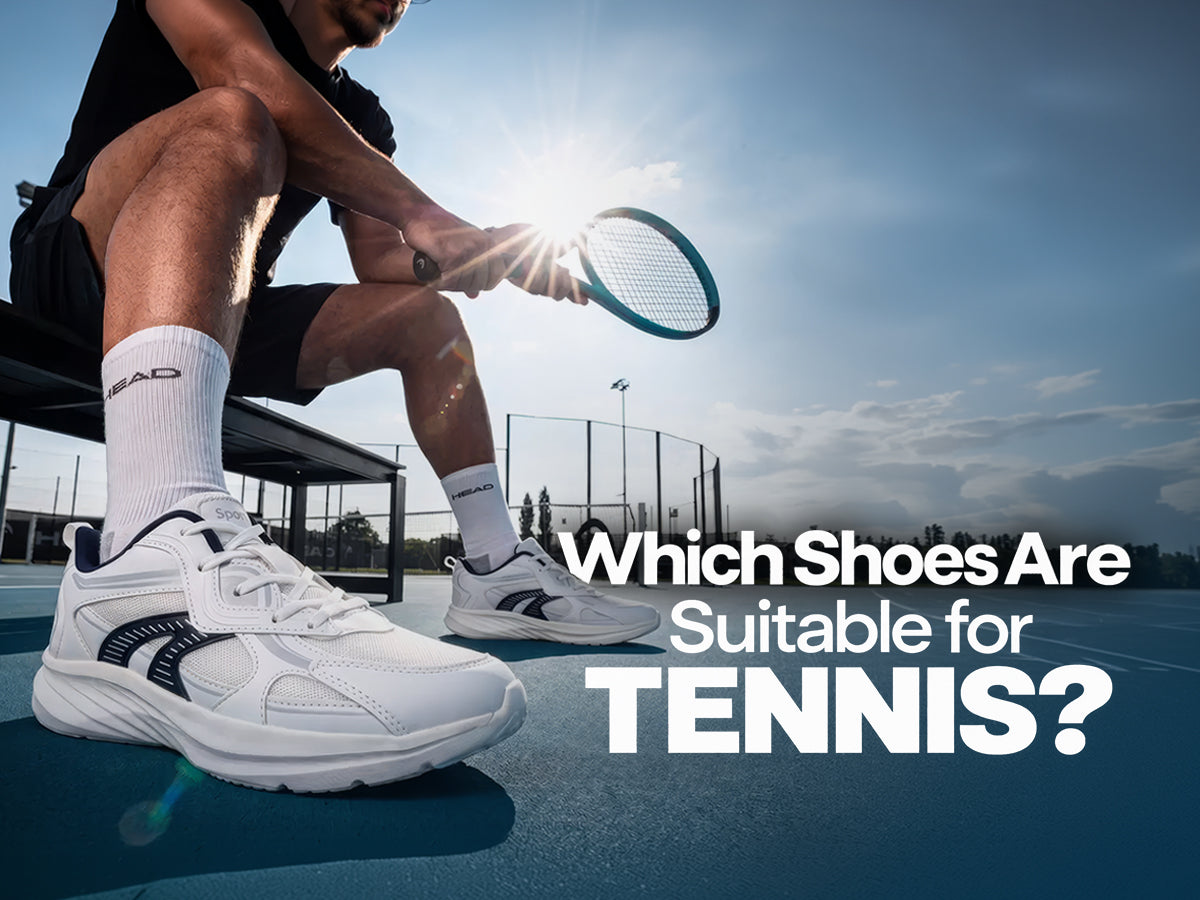
Wear the wrong shoe on court and you’ll feel it within the first few points — every stop and turn feels slightly off. The best shoes for tennis genuinely change how comfortable you are, how you move, and how much control you actually have. What the best tennis shoes need to deliver is support through quick steps and sudden stops, since tennis doesn’t move like ordinary walking or running does. There’s a lot more side-to-side action involved, and regular footwear just isn’t built to handle that kind of stress.
The right shoe really comes down to the court and how you personally play. If you’re new to the game, tennis shoes for beginners built around comfort and stability are the place to start. And when people compare tennis shoes vs running shoes , it helps to know upfront: they’re built for entirely different jobs. A hard-court shoe, a clay-court shoe, a grass-court shoe — each one brings its own set of design choices to the table.
What Makes a Good Tennis Shoe?

1. Good Grip
Traction isn’t optional here. It’s what lets you move, stop, and change direction quickly without your foot sliding out beneath you.
2. Lateral Stability
Tennis involves more side-to-side motion than most sports out there. A shoe built with real lateral stability keeps your foot properly supported through all that quick shifting.
3. Cushioning
Jumps, sprints, sharp stops — cushioning takes the impact out of all of it. Play a long match and that difference becomes very obvious.
4. A Durable Outsole
Every point puts real wear on the outsole. A durable one absorbs that repeated stress and keeps the shoe going a lot longer.
5. Secure Fit
The shoe should hug your foot, not choke it. Get that balance right and there’s no sliding around inside once you’re actually out there playing.
6. Comfortable Upper
Soft, breathable material on top genuinely matters over a two-hour match — it keeps your feet cooler and noticeably more comfortable through the whole thing.
Which Shoes Are Best for Different Tennis Courts?

1. Tennis Shoes for Hard Courts
Hard courts are tough on footwear. Tennis shoes for hard court play need a durable outsole, solid cushioning, and strong overall support just to keep pace with that wear.
2. Tennis Shoes for Clay Courts
Tennis shoes for clay court play depend on good traction and a sole pattern built specifically for that surface. The design should let you slide into shots smoothly, not fight against the ground.
3. Tennis Shoes for Grass Courts
Grass is softer, so tennis shoes for grass court play need grip tuned for that specific texture. Look for footwear built around safe, controlled movement rather than aggressive traction.
Are Running Shoes Good for Tennis?
Generally, no. Running shoes are built with forward motion in mind, full stop. Tennis asks for a lot more side-to-side movement, and that's exactly where dedicated tennis shoes pull ahead with better lateral support.
Can You Wear Sports Shoes for Tennis?
Occasionally, if the play’s casual enough, some sports shoes can manage. Dedicated tennis shoes are still the smarter option overall, since they're built specifically around court movement and stability in a way general sports shoes simply aren't.
What Type of Tennis Shoes Are Best for Beginners?
Comfort, grip, stability, and reasonable cushioning — those are the priorities for tennis shoes for beginners . Starting with something versatile, matched to whichever court you’ll play on most, tends to work out well.
How Should Tennis Shoes Fit?
Secure, without squeezing the toes. There should be room for natural toe movement while the heel stays locked in place — nothing shifting around back there mid-match.
Tennis Shoes vs Running Shoes: What’s the Difference?
It comes down to the type of movement each is designed for. Running shoes are built around forward motion and cushioning. Tennis shoes lean toward side-to-side movement, grip, and stability instead.
How to Choose the Best Shoes for Tennis

1. What court do I play on?
Court surface changes what you need from grip, durability, and outsole design, so pick based on whatever court you actually play on regularly.
2. How often do I play?
Frequent players benefit from stronger, more durable footwear. Occasional players can lean more toward comfort and everyday value instead.
3. What is my playing style?
Aggressive, fast-moving players typically need more stability and grip. Players who hang closer to the baseline often do better with balanced cushioning and support.
4. Do I need more cushioning?
If comfort’s the priority, go for more cushioning — just don't let that come at the expense of stability.
5. Does the shoe fit properly?
A proper fit keeps the foot secure through every movement on court. Check size and comfort carefully before settling into regular use.
Can One Pair of Tennis Shoes Be Used on Every Court?
Some versatile shoes can handle more than one surface reasonably well. Court-specific shoes still tend to perform better and last longer on the surface they're actually built for, though.
How Often Should You Replace Tennis Shoes?
Comes down to how often you play, which court you're mostly on, and the shoe’s current condition. Flattened cushioning, worn-out soles, or support that's clearly weaker than it used to be — all of these are signs a new pair is overdue.
Common Mistakes to Avoid When Buying Tennis Shoes

1. Choosing Style Over Function
Looking good on the shelf doesn't guarantee it'll hold up on court. Performance needs to come first, style second.
2. Wearing Running Shoes Regularly
They simply don't provide enough lateral stability for tennis's constant side-to-side demands.
3. Ignoring the Court Surface
Different surfaces have different requirements, and the wrong outsole hurts both grip and durability.
4. Buying the Wrong Size
An incorrect size causes discomfort and gets in the way of proper movement. Go for a fit that's both secure and genuinely comfortable.
5. Choosing Cushioning Without Stability
More cushioning isn’t automatically an upgrade. The shoe needs comfort balanced with real support, not one at the expense of the other.
Different footwear brands take their own approach to active lifestyle shoes, and it’s worth comparing a few. Browsing the top footwear brands in India and weighing them against the best footwear brands in India before deciding is a reasonable way to narrow things down. Tennis-themed footwear hampers make a fairly practical gift too, and general footwear hampers suit sports lovers and active users just as well.
Final Thoughts
The honest answer to What Type of Shoes Are Best for Tennis depends on your court, your playing style, and what actually feels comfortable to you. The best shoes for tennis bring grip, stability, cushioning, and a secure fit together — skip any one of those and the rest stops mattering as much.
The right shoes for playing tennis genuinely support better movement and make every match easier on your body over time. Choose based on function first, not just how the shoe looks sitting on a shelf.
FAQs
1. What type of shoes are best for tennis?
Look for good grip and stability. Also, check for good cushioning and a secure fit. The right choice still depends on your court surface. It also depends on one’s personal playing style.
2. Can I wear running shoes for tennis?
For occasional casual play, they can get by, but they typically lack the lateral support regular tennis demands. Dedicated tennis shoes are the better long-term call.
3. Which shoes are best for tennis beginners?
Comfortable shoes with solid grip, stability, and decent cushioning suit beginners well. Choose based on the court you play.
4. What shoes are best for hard-court tennis?
Durable outsoles and good cushioning matter most. Strong support also helps with the frequent stops and direction changes hard courts demand.
5. What shoes are best for clay courts?
Look for suitable traction and controlled movement, with an outsole design built specifically for clay's surface.
6. Can I use the same tennis shoes for clay and hard courts?
Versatile shoes can manage both reasonably well, though specialized shoes generally offer better grip and durability on each individual surface.
7. Are sports shoes good for tennis?
For casual play, they can work in a pinch. Dedicated tennis shoes still tend to offer noticeably better court-specific support overall.
8. How should tennis shoes fit?
Secure without squeezing the feet. Heel locked firmly in place, with enough room left for the toes to move naturally.

Share:
Type Of Shoes for Badminton